Strategic Fastener Solutions t...
- 2025-12-01

Introduction
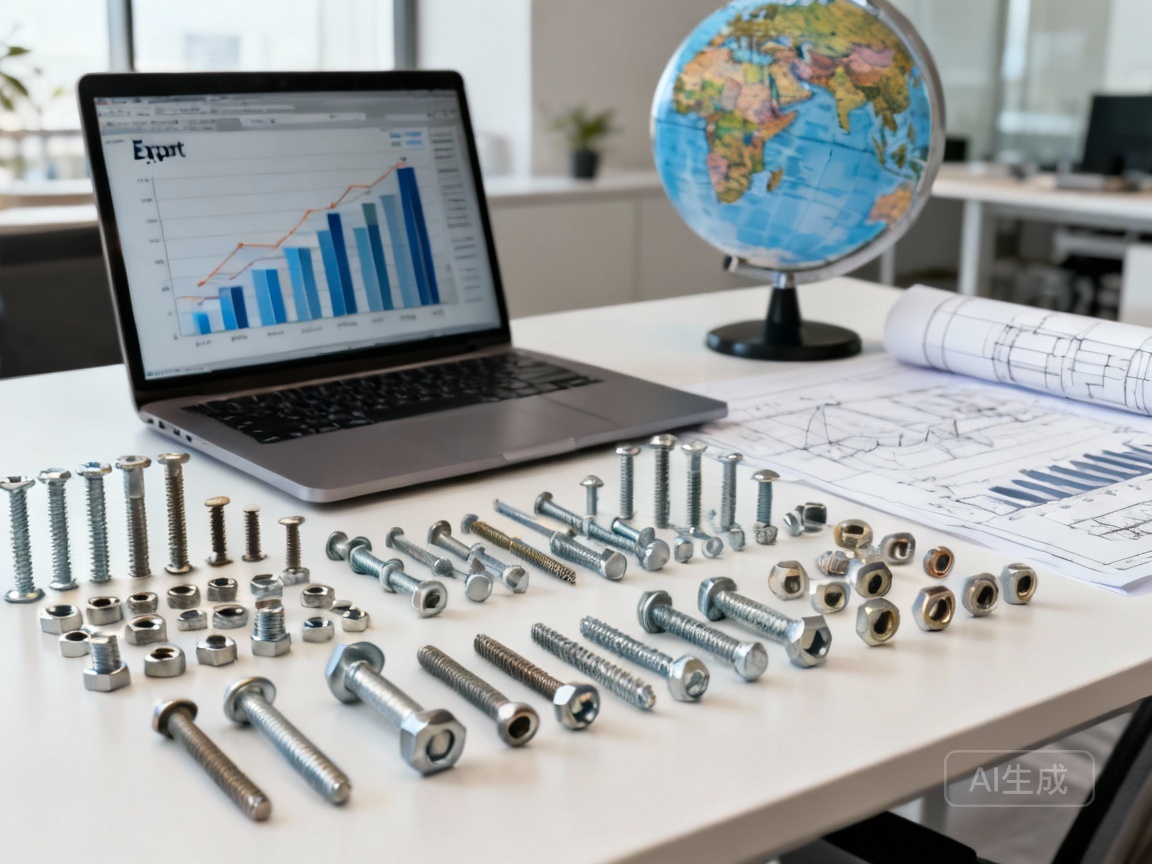
Fasteners are the unsung heroes of the manufacturing world. These small but critical components hold together everything from skyscrapers to smartphones, yet their importance is often overlooked until something goes wrong. As a product manager with over 20 years in the fastener industry, I’ve seen firsthand how the right fastener can make or break a project.
In this comprehensive guide, we’ll explore the fundamentals of industrial fasteners, including types, materials, strength grades, and selection criteria. Whether you’re an engineer, procurement professional, or manufacturer, understanding these basics will help you make informed decisions and ensure the success of your projects.
What Are Fasteners?
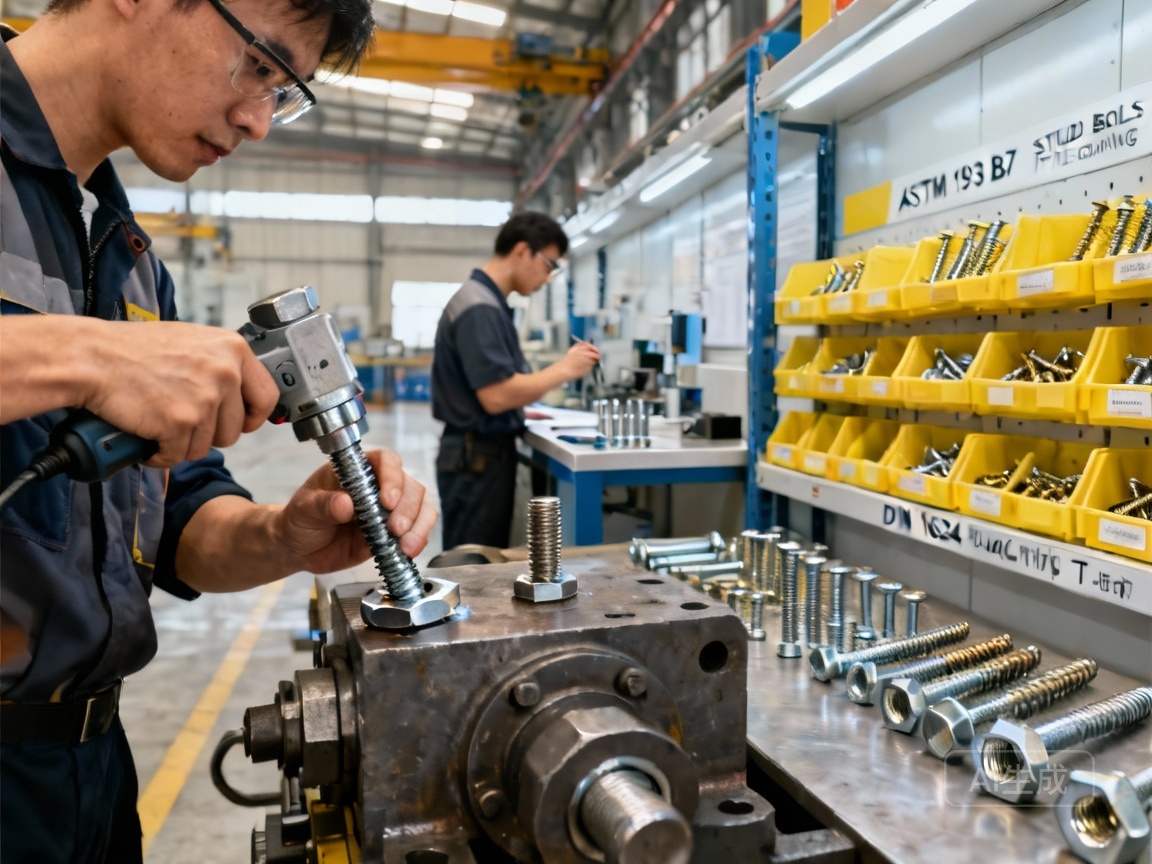
Fasteners are hardware devices used to mechanically join or affix two or more objects together. They come in countless shapes, sizes, and materials, each designed for specific applications and performance requirements.
Key characteristics of quality fasteners include:
Major Types of Fasteners
Press enter or click to view image in full size

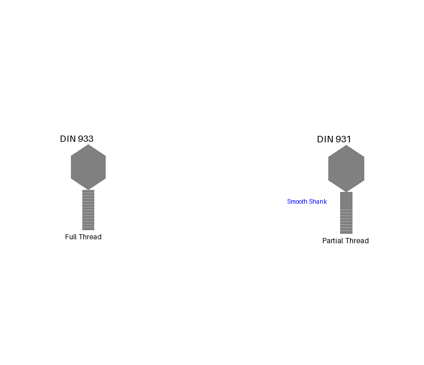
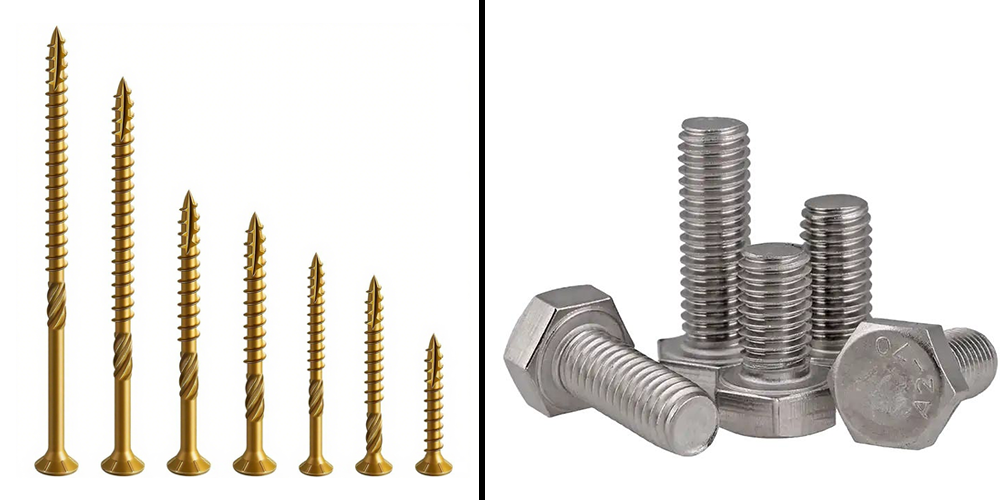
Bolts are threaded fasteners designed to be used with a nut. They are typically used in applications requiring high clamping force. Common types include:
Screws have threads along their entire length and are designed to tap their own threads in a pre-drilled hole. Popular varieties include:
At Hangfan, we offer a complete range of bolts and screws in various sizes, materials, and finishes to meet your specific needs.
Press enter or click to view image in full size

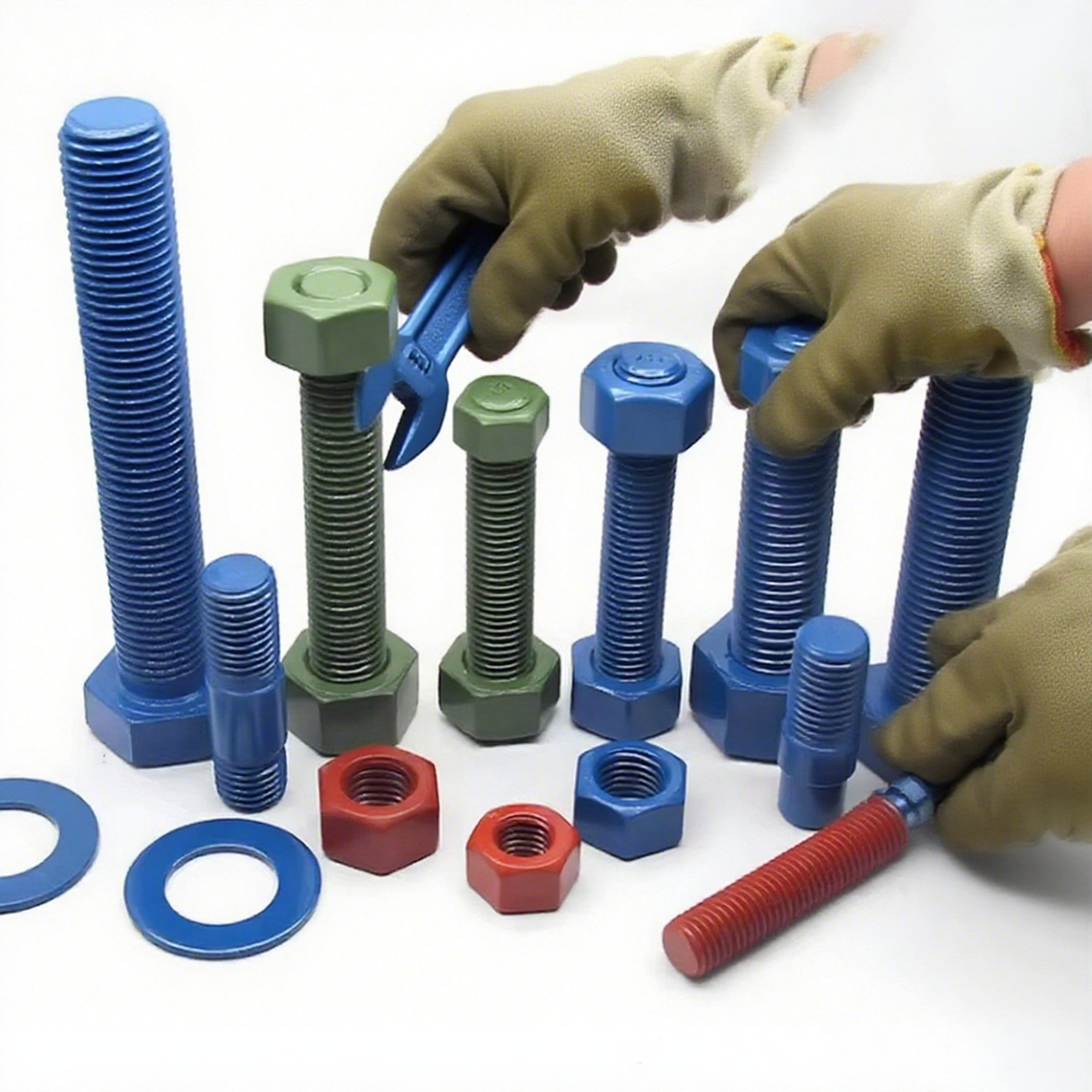
Nuts are internally threaded fasteners used with bolts to secure two or more objects together. Important types include:
The right nut selection is crucial for ensuring proper clamping force and preventing loosening under vibration.
Press enter or click to view image in full size

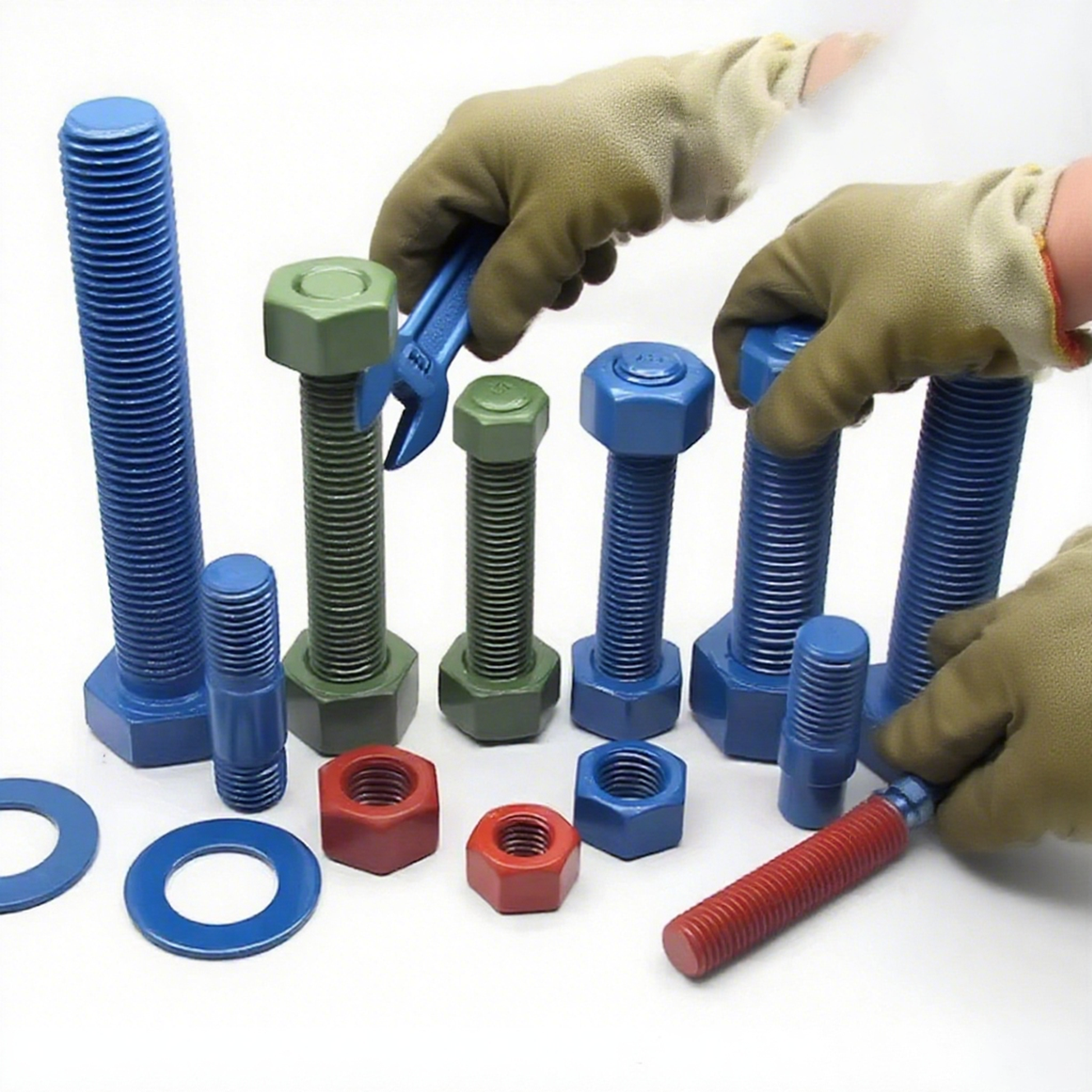
Washers are thin plates with a hole in the center used to distribute the load of a threaded fastener. They serve several important functions:

Rivets are permanent fasteners that are installed by inserting them into pre-drilled holes and deforming the end to create a head. They are commonly used in applications where welding is not feasible.
Choosing the right material is critical for fastener performance and longevity. Here are the most common materials used:
1. Carbon Steel
2. Stainless Steel
At Hangfan, our stainless steel fasteners are manufactured to the highest standards, ensuring superior corrosion resistance and performance.
3. Alloy Steel
4. Specialty Materials
Understanding Strength Grades
Strength grades indicate the tensile strength and hardness of fasteners. The most common grading systems are:
Metric Grading System
The first number represents the tensile strength in 100 MPa, and the second number represents the yield strength as a percentage of tensile strength.
SAE Grading System
Selection Guidelines
How to Select the Right Fastener
Selecting the appropriate fastener requires consideration of several factors:
1. Application Requirements
2. Material Compatibility
3. Installation Considerations
4. Cost vs. Performance
Common Fastener Problems and Solutions
1. Loosening Under Vibration
Solutions:
2. Corrosion
Solutions:
3. Overloading
Solutions:
4. Thread Stripping
Solutions:
Conclusion
Understanding fastener fundamentals is essential for anyone involved in manufacturing, construction, or maintenance. By selecting the right type, material, and grade for your specific application, you can ensure the safety, reliability, and longevity of your products and structures.
At Hangfan, we specialize in providing high-quality industrial fasteners and technical expertise to help our customers find the perfect solution for their needs. With over 20 years of experience and a commitment to quality, we are your trusted partner for all your fastening requirements.
Need help selecting the right fastener for your project? Contact our technical team today for personalized advice and support.