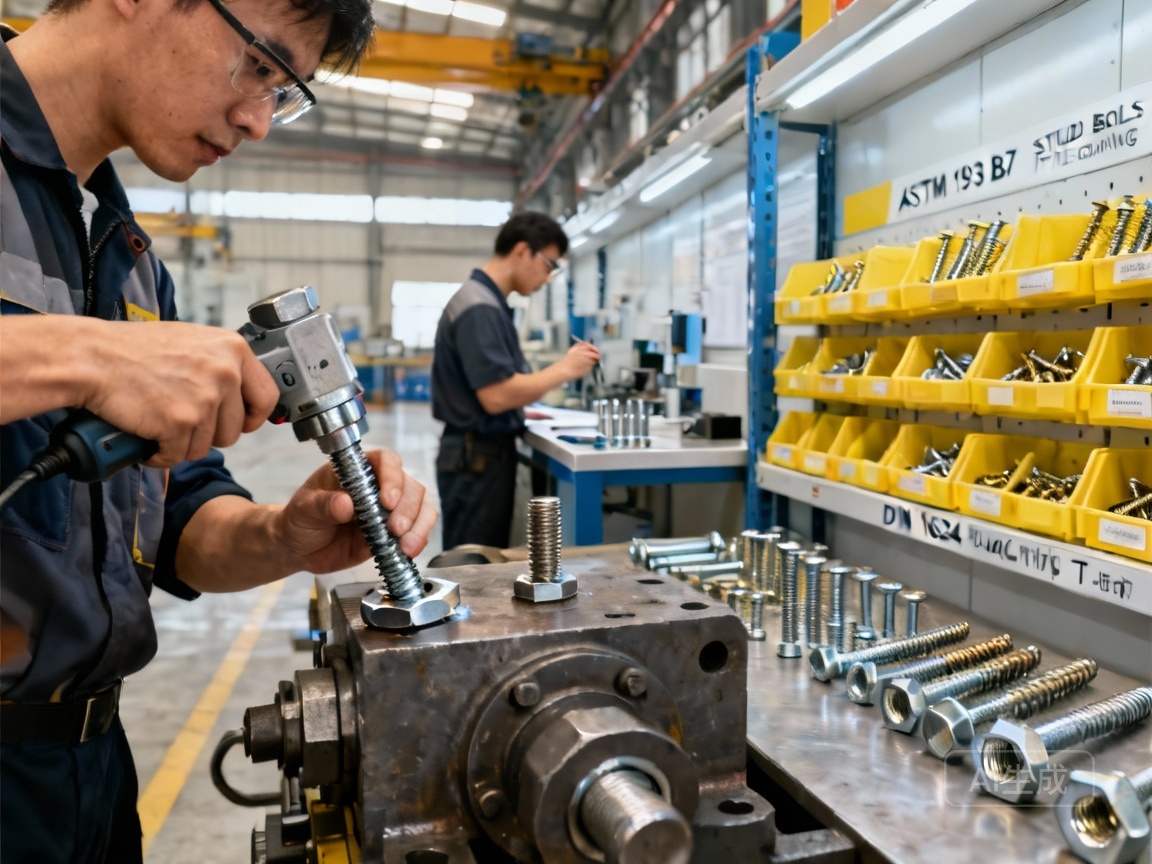
Strategic Fastener Solutions t...
- 2025-12-01

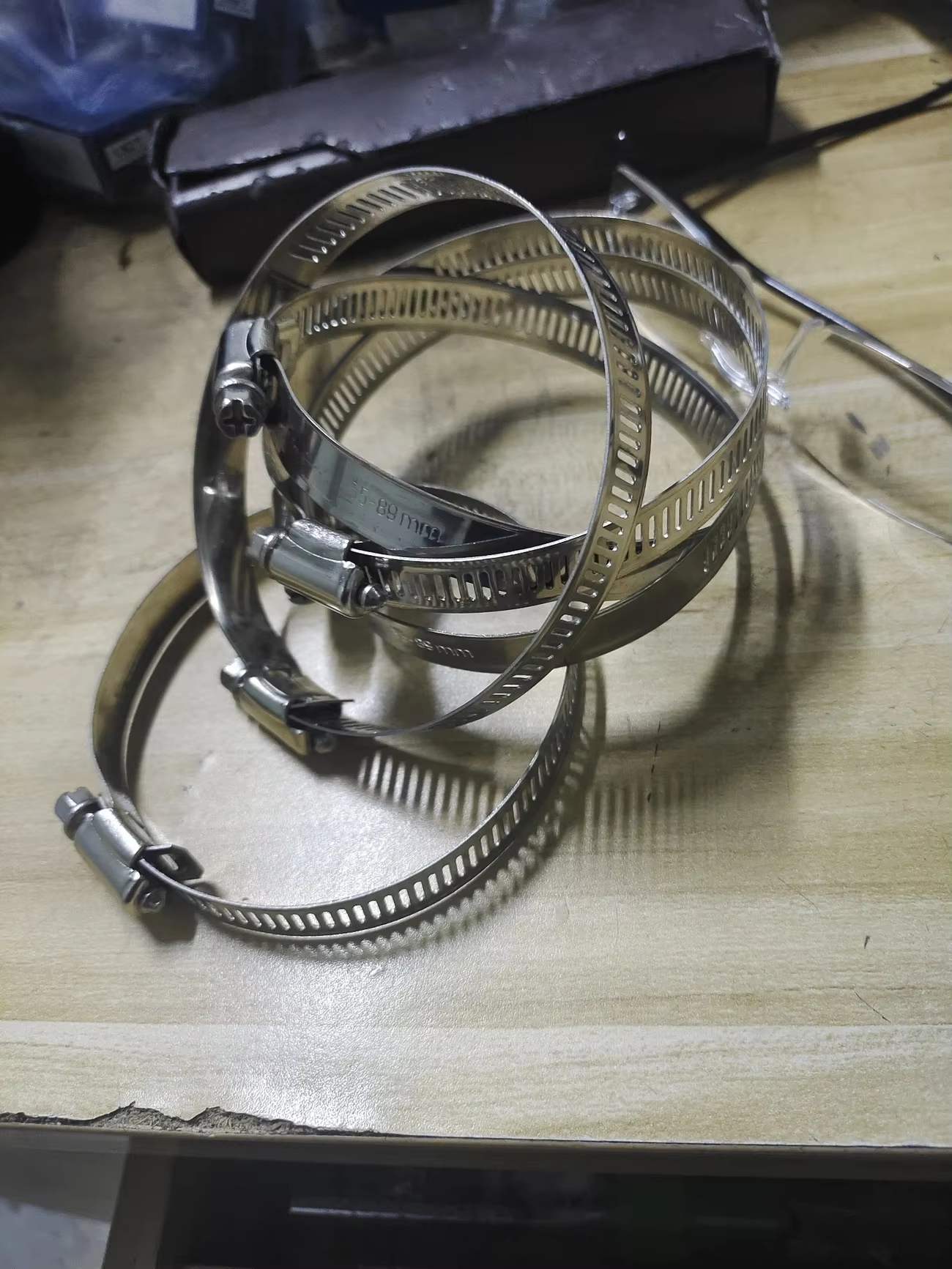
In complex industrial systems, the stability of pipelines is the foundation for ensuring the efficient operation of the entire system. Among these, a small component—the clamp—plays an indispensable and significant role. Despite its small size, the clamp's impact is substantial, serving as a crucial guarantee for the stability of industrial pipelines.
Clamps are typically made from high-strength stainless steel or other durable materials, capable of withstanding extreme temperatures and pressure conditions. This material not only extends the service life of the clamp but also ensures its reliability in harsh environments. Whether in high-temperature, low-temperature, or corrosive environments, clamps maintain their performance, providing lasting and stable support for pipelines.
Clamps are designed with flexibility and diversity, making them suitable for pipelines of different diameters and shapes. This flexibility enhances the ease of installation, reducing construction time and costs. Additionally, the adjustability of clamps allows them to fit tightly against pipelines, preventing loosening and leaks, thereby further improving pipeline safety.
Compared to other pipeline fixing methods, clamps are simpler to install, requiring no complex tools or techniques. This not only reduces installation difficulty but also lowers maintenance costs. In daily use, inspection and replacement of clamps are relatively easy, ensuring the long-term stable operation of pipeline systems.
In summary, although clamps may seem inconspicuous, their role in industrial pipelines is crucial. Whether it's high-strength materials, flexible design, or easy installation, clamps demonstrate their powerful capabilities. Choosing high-quality clamps is a key step in ensuring the stability of industrial pipelines. Let's pay attention to this small component, safeguarding the safety and efficiency of industrial systems.